
What Is Third Wave Coffee? A Denver Roaster's Guide to the Movement and Where It's Headed
Most mornings at our cafés begin the same way. Someone drifts over to the coffee shelf, picks up a bag, and reads the label slowly: single origin, natural process, raspberry and lychee. Then they look up and ask, "So what makes this third wave?"
We love that question. Here's the short answer: third wave coffee is a movement that treats coffee as a single-origin, artisanal product, closer to wine than to a canned commodity. The farm, the altitude, the process, and the roast all matter, and you can taste every one of them in the cup.
That's the definition. What excites us most is where the movement is going. Third wave taught the coffee world to chase flavor. The next chapter is about flavor that also feels good to drink, cup after cup, morning after morning.
The three waves of coffee, briefly
Third wave makes more sense once you know what came before it.
The first wave was about access. In the early and mid-20th century, coffee became a household staple. It was canned, pre-ground, and everywhere. Convenience came first, and nuance rarely came at all. This is the wave that put a percolator in every kitchen.
The second wave was about experience. Café chains turned coffee into a destination. People learned to order lattes and cappuccinos, fell for espresso, and started thinking of coffee as something you went out for. The drink mattered more than the bean underneath it.
The third wave is about the bean itself. Borrowing from the world of wine, third wave treats coffee as a crop with a sense of place. Roasters began naming the farm, not just the country. Roasts got lighter so origin could shine through. Brewing became precise, and the barista became a craftsperson.
A few things define the movement: direct relationships with farmers, single-origin traceability, roasts built to reveal origin, careful brewing, and a belief that knowing where your coffee came from is part of what makes it good.
What is a third wave coffee shop?

You can usually feel it within a minute of walking in. The menu rotates single origins instead of pouring the same house drip all day. There's a pour-over bar beside the espresso machine. Bags carry roast dates and tasting notes that read like a wine list: red apple, orange blossom, praline. The baristas can tell you where a coffee was grown and why it tastes the way it does.
Most of all, the room invites you to slow down. That's on purpose. A third wave café is built on the idea that a cup of coffee deserves your attention.
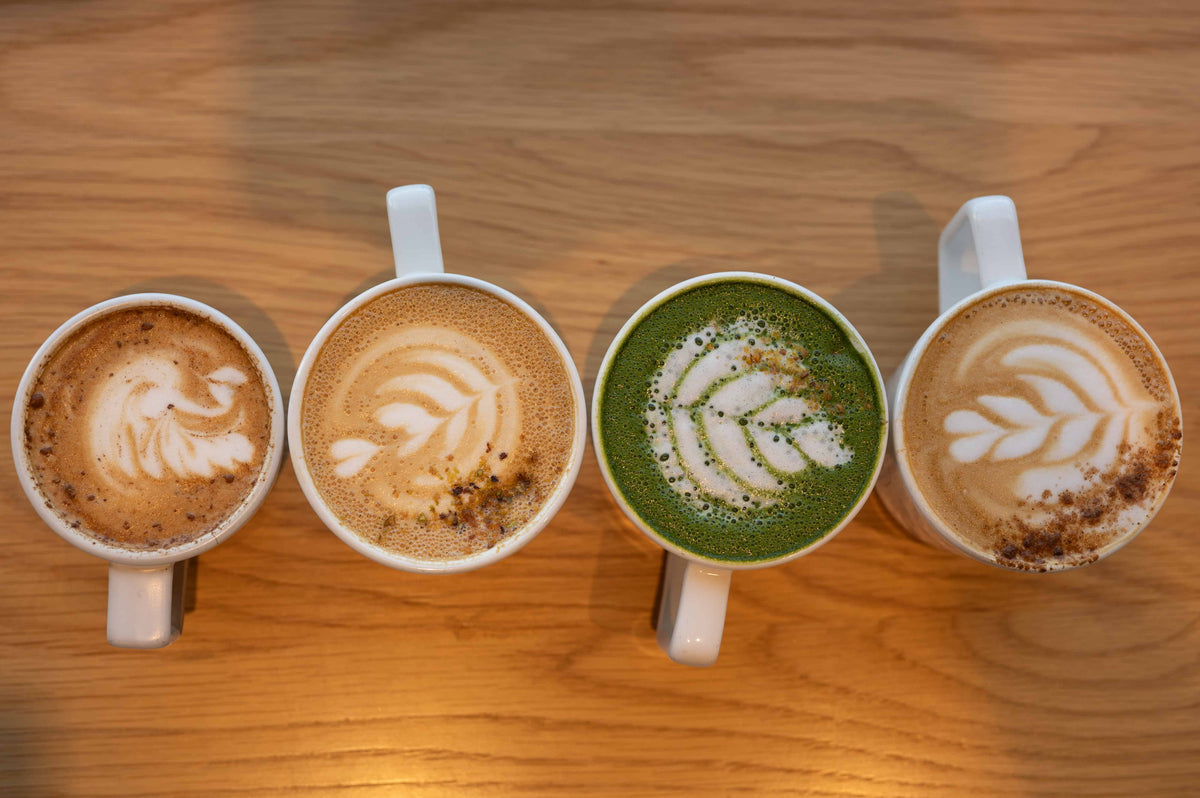
At our two Denver cafés, that looks like a single origin on pour-over that changes with the harvest, served right beside the espresso menu. Order your usual, add a small pour-over, and taste something new on the same visit. It's the gentlest introduction we know to what the movement is about.
The roasters who built the movement
Any honest guide to third wave coffee starts with the roasters who shaped it.
Intelligentsia, Stumptown, Counter Culture, and later Blue Bottle, along with coffee pioneers like George Howell, built the template the rest of us follow. They championed direct trade before it was common, pushed lighter roasts, and taught a generation of coffee drinkers to care about origin. If you enjoy specialty coffee today, you're enjoying something they started.

The movement has since grown well beyond its founders. Today it lives in small-batch roasters working in batches of fewer than fifty pounds, applying the same principles at a human scale. Smaller batches give us more control. We can watch how each lot develops and adjust as it roasts, instead of running one profile across hundreds of pounds.
What third wave coffee tastes like, and why
This is the promise at the heart of the movement: when coffee is grown, processed, and roasted with care, you can taste the place it came from.
Coffee people call this terroir. It's the combined effect of altitude, soil, climate, shade, and processing, all imprinted on the bean before it ever reaches a roaster. A coffee grown at 2,200 meters tastes different from one grown at 1,200. A natural process lot, dried inside the fruit, tastes different from a washed one. None of that is added later. A thoughtful roast draws it out, and a careless one covers it up.

Here are a few coffees we've roasted that show how wide that range can be:
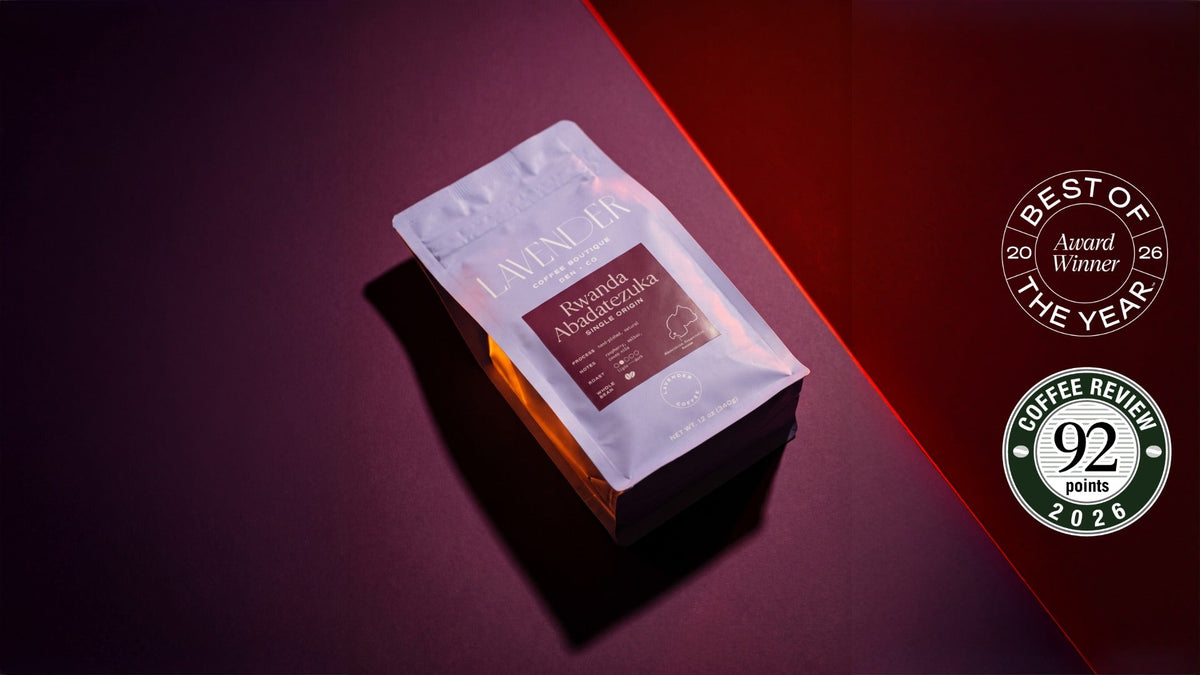
- Rwanda Abadatezuka grows at 2,200 meters in the Nyungwe Forest, where native honeybees pollinate the coffee blossoms and farmers work without synthetic inputs. It's naturally processed and tastes jammy and wine-like, with raspberry, malbec, and cacao nib. That's altitude and process in one cup.
- Guatemala Gesha Monte de Oro comes from a farm locals call the "Mountain of Gold." It's one of those coffees that reminds you coffee is a fruit. It opens with raspberry and lychee, deepens into chocolate and black cherry, and finishes like strawberry cream.
- Peru Lima Women's Co-Op sits on the softer side. It's a washed coffee, round and easygoing, with red apple, sugar cane, and a hint of citrus. Proof that expressive and gentle can share a cup.
Deciding between a single origin and a blend? Our guide to single origin coffee vs. blends walks you through it.
Third wave, made gentle: where the movement is headed
This is the part of the story we care about most.
Early third wave tied quality to brightness. Lighter roasts and higher acidity were treated as proof that a coffee was serious, and plenty of beautiful coffee came out of that era. Over time, though, bright started to blur into harsh. Many people quietly decided good coffee wasn't for them because it left them with heartburn, jitters, or an unhappy stomach.
We don't think anyone should have to choose between a cup with character and a cup that treats them well. The next chapter of third wave keeps everything the movement got right (direct trade, terroir, transparency, small-batch craft) and brings it toward coffee that is gentle by design.
Here's how we do it.
We roast low and slow. Lower temperatures over longer roasts protect the floral and fruit notes that make a single origin special. They also slow the reactions that create harsh acidity, so the cup lands smoother and easier on your stomach. Our roasters put the goal simply: roast for balance, never bitter nor sour.

We know our farmers by name. Our Guatemala coffees come from Mario Alarcón's Monte de Oro. Our La Bella estate has been farmed by the same family since 1960 and is now in its fourth generation. Several of our partners are women-led farms. Our Peru Lima Women's Co-Op directs a premium to 110 women-led growing families, and our Costa Rica partners at Zalmari Estate belong to the International Women's Coffee Alliance and were the first farm to earn Women Care Certification.
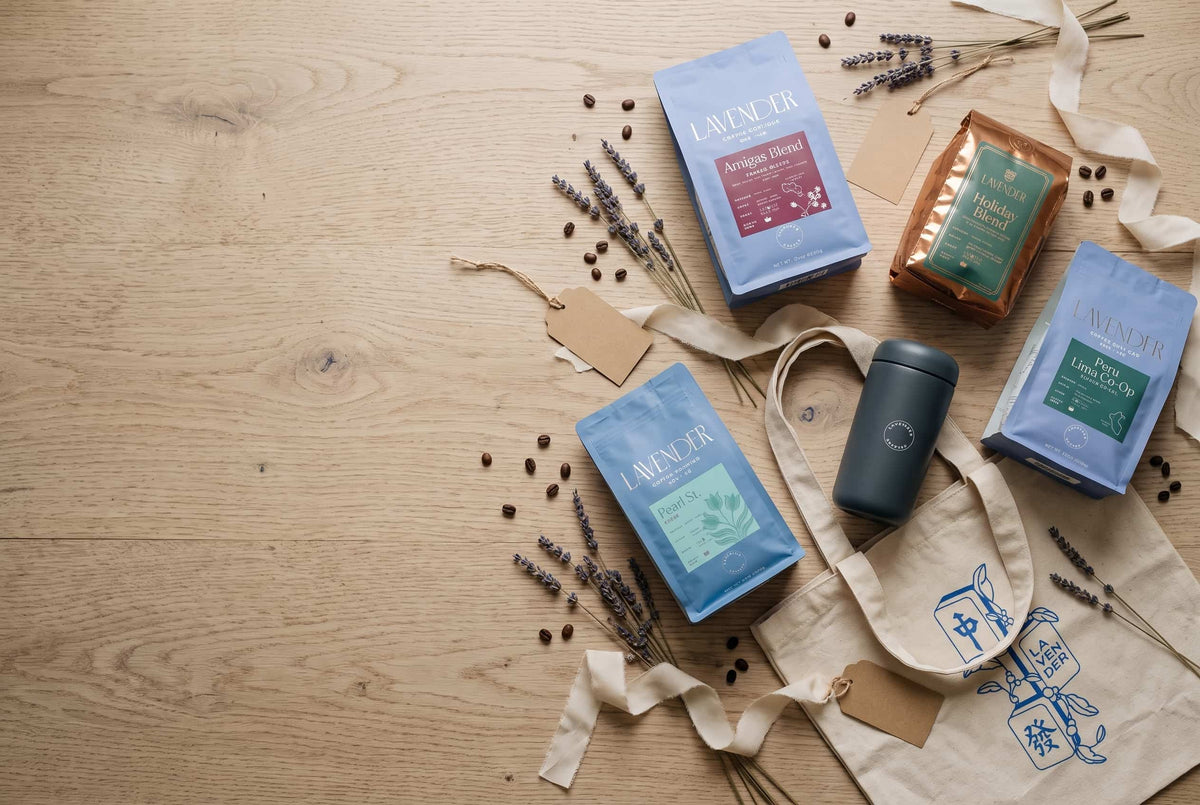
We test for what you can't taste. Nearly every coffee we roast is third-party mold-tested for mold and mycotoxins through Anresco Labs. That includes all of our house blends, from Pearl Street and Platt Park Dark to Golden Hour Half Caff, Bluebird Breakfast Blend, and Sugar Cane Process Decaf, along with our seasonal blends and the Amigas Blend single origin. We test every lot, every time, so it's never a one-time badge. Our limited single-origin lots, chosen for their sourcing story and terroir, sit outside the program.

Bring those together, third wave sourcing and craft with a real commitment to clean, gentle coffee, and you have what we call third wave, made gentle.
How to taste third wave coffee at home
You don't need a café bar to taste the difference. You need fresh coffee and a few quiet minutes.
Slower brew methods give single origins room to open up. Pour over, AeroPress, and filter brewing offer controlled extraction, which lets floral and fruit notes come through clearly. Espresso can be lovely too, especially with a balanced, chocolatey coffee, though it tends to amplify any sharpness in a more delicate bean.
Brewing our Gesha as a pour over? Start with a 15:1 ratio: 25 grams of coffee to 375 grams of water at 202°F. Bloom for 30 seconds and aim for a total brew time of about 3:30. Adjust from there to suit your taste.
Taste third wave coffee in Denver, or ship it home

The best way to understand third wave coffee is to sit down with a cup.
Visit our Pearl Street café in Platt Park or our Cherry Hills Village café and ask your barista which single origin is on pour-over that day. Try it beside your usual espresso drink and notice what changes. Not in Denver? Every coffee we make ships fresh-roasted from our Denver roastery, with free shipping on orders over $45. Our single origins rotate with the harvest, so each bag is a snapshot of what's freshest right now.
That's really the heart of it. Third wave coffee isn't a checklist. It's a way of paying attention to where your coffee comes from, how it's made, and how it makes you feel. We think that's a lovely way to make the first good decision of your day.
Frequently asked questions
What does third wave coffee mean?
Third wave coffee is a movement that treats coffee as a single-origin, artisanal product rather than a commodity. It focuses on the farm a coffee came from, how it was processed, and a roast designed to reveal those origin flavors. The name marks it as the third major shift in how people relate to coffee, after mass availability (the first wave) and café culture (the second).
Is third wave coffee the same as specialty coffee?
They're closely related, but not the same. Specialty coffee describes quality: coffee that scores highly on a standardized grading scale. Third wave describes the movement built around that quality, including traceability, direct trade, lighter roasts, and craft. Most third wave coffee is specialty coffee, but the term speaks to the culture around the bean, not only its score.
What's the difference between second and third wave coffee?
The second wave turned coffee into an experience through café culture and espresso drinks, where the drink built on top of the coffee was the focus. The third wave brought attention back to the bean itself: single origins, specific farms and regions, and roasts meant to show what makes each coffee unique.
Is third wave coffee more acidic?
It can be. The lighter roasts common in third wave coffee tend to keep more of coffee's natural acidity. Acidity really comes from origin, altitude, process, and roast, though, not from the movement itself. At Lavender, our low-and-slow roasting is designed to soften harsh acidity while keeping origin character, so our coffees drink gentler than a typical light roast.
What makes a coffee shop third wave?
Look for rotating single origins, a pour-over or filter bar beside the espresso machine, roast dates and tasting notes on the bags, direct-trade sourcing, and baristas who can tell you where each coffee came from. Above all, a third wave shop is built on the belief that coffee is worth slowing down for.