
Small-Batch Roasting: The Lavender Difference
There is a moment — right at the start of the day, before everything else begins — when a cup of coffee has the power to set the tone for everything that follows. At Lavender Coffee Boutique, that moment is the reason we do what we do.
We are a small-batch coffee roaster based in Denver, Colorado, and the word 'small-batch' isn't marketing language for us. It's a philosophy. It's the decision to slow down, pay attention, and care deeply about every step — from the green bean to your morning mug.
But what does small-batch roasting actually mean? Why does it produce a gentler, more flavorful cup? And what makes the Lavender approach different from the dozens of other Denver coffee roasters out there? If you've ever wondered what's behind that clean, smooth sip, this article is for you.
What Is Small-Batch Coffee Roasting — Really?

The term 'small-batch' gets used a lot in the food and beverage world, and coffee is no exception. At its core, small-batch roasting simply means roasting smaller quantities of beans at one time — typically less than 50 pounds per roast cycle — rather than running hundreds of pounds through an industrial drum.
But the true value of small-batch roasting isn't measured in pounds. It's measured in control.
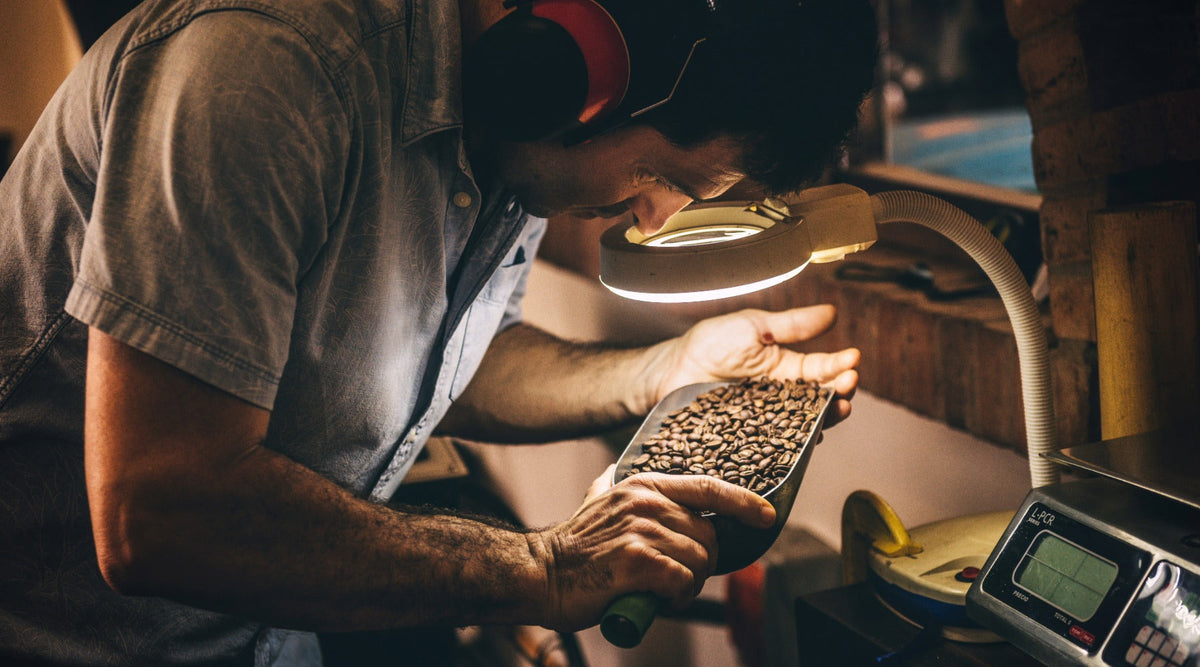
When a roaster works with a smaller quantity of beans, they can monitor temperature curves with far greater precision. They can respond to how a specific lot is developing in real time — adjusting airflow, drum speed, or time based on what that particular bean needs, not what the previous batch required. This level of attention simply isn't possible at commercial scale, where the emphasis is on replication, not refinement.
"The secret to small-batch coffee roasting is flexibility. Instead of trying to mask intricacies and create a product that is ubiquitous, we look at how we can uncover unique subtleties." — Denver Westword
At Lavender, we take that flexibility seriously. Each green coffee we bring into our Denver roastery is a distinct agricultural product — grown in a specific region, at a specific altitude, by a specific farming family. Our job as roasters is to honor what that bean already is, and to coax the finest characteristics out of it through careful, intentional heat.
The Lavender Method: Low and Slow
Walk into almost any commercial roasting operation and you'll find beans moving through high heat quickly. Speed and consistency at scale require it. But speed comes at a cost: higher acidity, a sharper edge on the palate, and — more commonly than most people realize — a greater risk of introducing mold and impurities into the finished product.
We do things differently.
At Lavender Coffee Boutique, we use what we call a 'low and slow' roasting method. We roast our specialty beans at a lower temperature over a longer period, giving each batch the time it needs to develop fully without scorching or over-stressing the bean's cellular structure.
Why Lower Temperature Matters
When coffee beans are roasted at lower temperatures, several important things happen:
Reduced acidity. Higher roasting temperatures accelerate certain chemical reactions that produce more acidic compounds. A gentler roast profile slows those reactions, resulting in a cup that is noticeably smoother and easier on the stomach.
More even development. Lower heat allows the bean's interior and exterior to develop at a similar pace, reducing the risk of underdeveloped centers or surface scorching — two common culprits behind bitterness.
Better preservation of origin character. The subtle floral, fruit, and earth notes that make a bean from Guatemala taste different from one grown in Ethiopia are delicate. Aggressive heat can strip them away. A measured roast profile lets those nuances survive.
The result is a cup that delivers on Lavender's promise: roasted for balance, never bitter nor sour. Explore our current roasts in our coffee collection.
Small-Batch Roasting and Low-Acid Coffee: The Connection
If you've found your way to Lavender, there's a good chance that low-acid coffee is important to you. Maybe you've experienced heartburn or digestive discomfort after your morning cup. Maybe you've simply noticed that some coffees sit easier than others. You're not imagining it.
Coffee's natural acidity is influenced by a number of factors: the origin of the bean, its altitude, how it was processed after harvest, and — significantly — how it was roasted. Small-batch roasting, done intentionally and at the right temperature, is one of the most reliable ways to produce a coffee with gentler acidity.
Because our roasters work with each batch individually, they can dial in a profile specifically designed to minimize acidity while maintaining full flavor. That's not something you can do on autopilot. It requires attention, experience, and the kind of care that only comes with working at a human scale.
The Mold-Free Commitment: Where Roasting and Sourcing Meet
One of the questions we get most often is: what does mold-free coffee actually mean, and why does it matter?
Here's the honest answer. Mold and mycotoxins — naturally occurring toxic compounds produced by mold — are a reality in the conventional coffee supply chain. Beans that are improperly dried, stored in humid conditions, or processed at lower quality standards can harbor these contaminants. Most people never know it's in their cup.
We know it matters. Which is why we've made mold testing a non-negotiable part of our process.
Third-Party Tested by Anresco Labs
Every Lavender coffee blend — including our hemp-infused varieties — has been certified Mold-Free through rigorous third-party testing with Anresco Labs, a trusted leader in food and beverage safety analysis. This isn't a one-time check; it's an ongoing commitment.
But here's what we want you to understand: our mold-free status isn't just the result of testing. It begins at the source.
Clean Beans Start Before the Roastery
We source our coffees from small-farm holders near the equator who grow at altitude — conditions that naturally inhibit mold growth. High-altitude beans, harvested carefully and processed under close supervision, arrive at our Denver roastery in a fundamentally cleaner state than mass-market commodity beans.
From there, our low-and-slow roasting method further reduces the conditions in which mold and mycotoxins can persist. Combined with clean storage practices, the result is a cup that is genuinely, verifiably clean.
You can read the full story of our mold-free certification in our blog post Certified Mold-Free Coffee: What It Means and Why We Did It.
Sourcing With Intention: Where Our Beans Come From
Small-batch roasting can only do so much if the green coffee itself isn't worth the care. That's why sourcing is the foundation of everything we do.
We work with small-farm holders around the world — farmers who grow with intention, who cultivate at altitude, who take pride in the quality of their harvest. Many of our origin partners are certified sustainable or women-empowered farms, reflecting our commitment to equity in the coffee supply chain alongside quality in the cup.
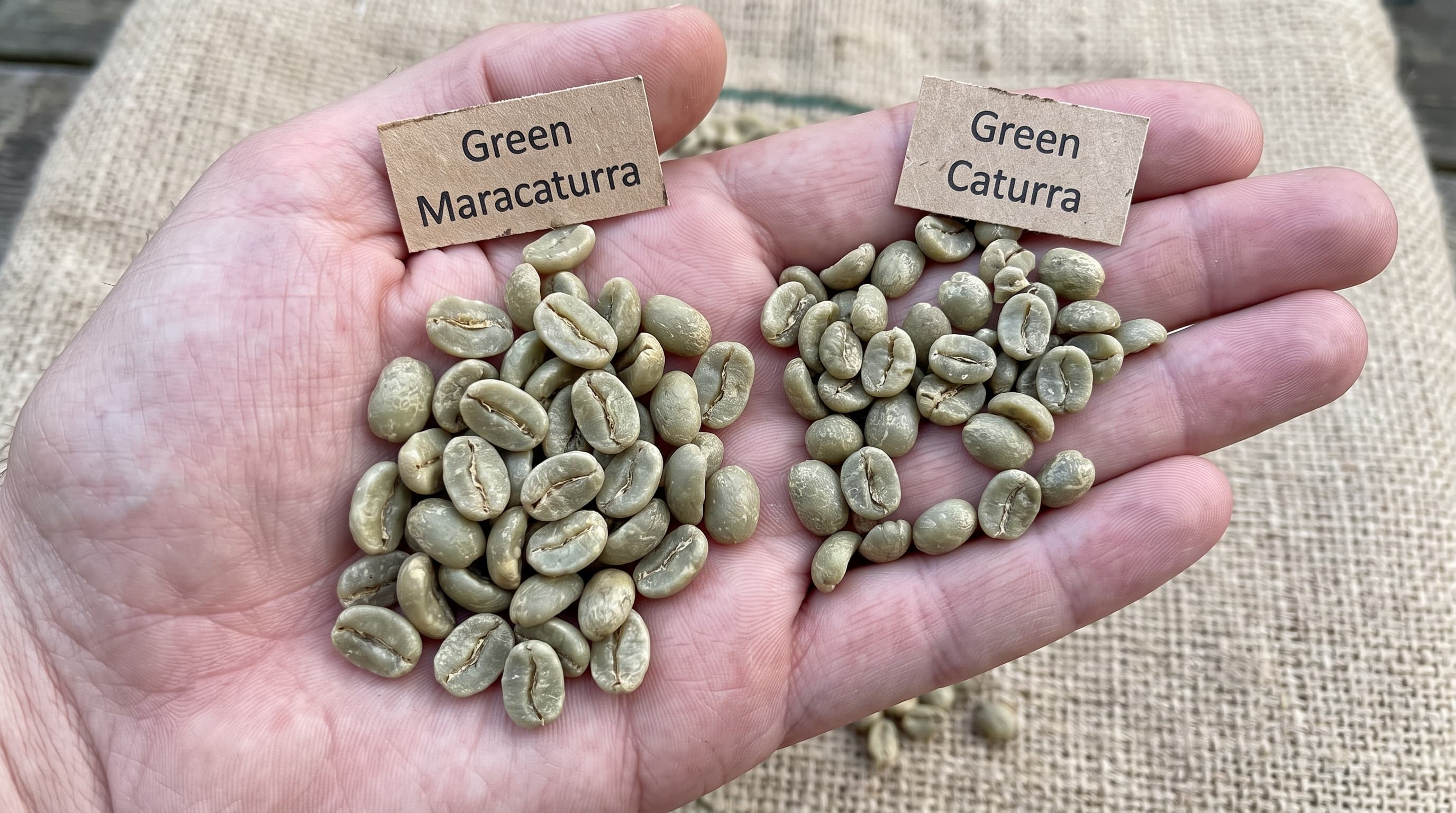
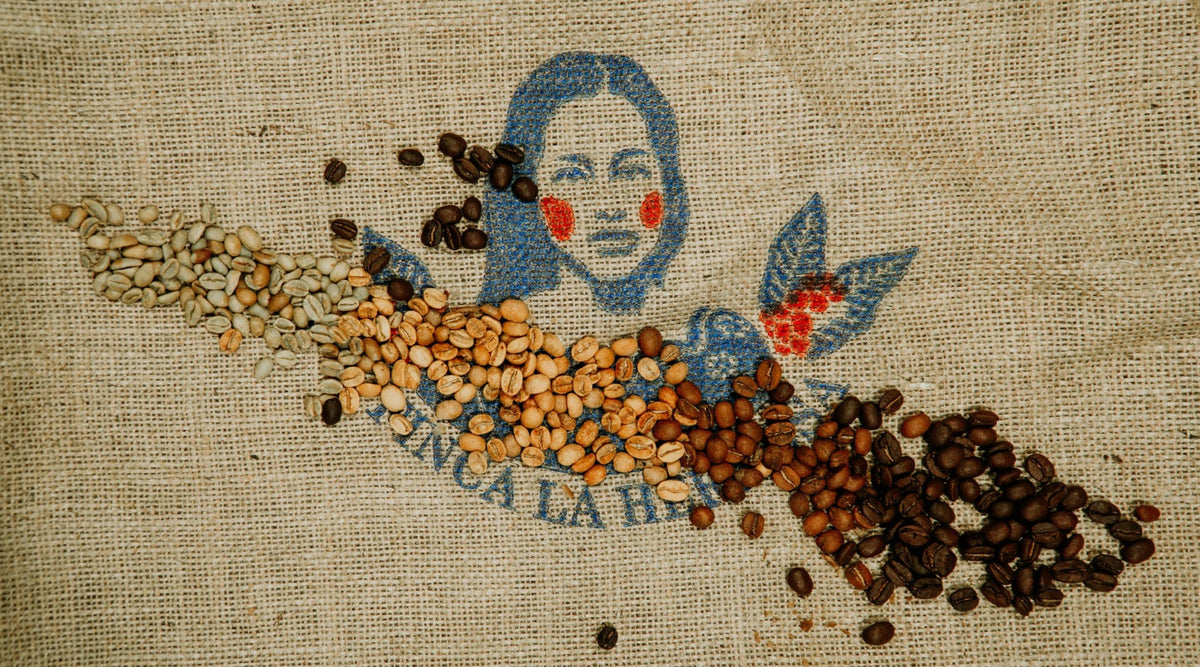
Here's a glimpse of what that looks like in practice. Our Guatemala offering comes from the Sierra de las Minas, a family-run farm that has been in operation since 1960 and is now led by its fourth-generation farmer. Hand-harvested Caturra beans, slow-roasted for balance, with notes of caramel, toasted almond, and praline. Our Guatemala La Hermosa is rooted in sustainability and community — the first Women Care Certified farm, championing women's empowerment in coffee.
Each origin we carry has a story. And because we roast in small batches, we can honor that story in the cup.
What Small-Batch Roasting Means for Freshness
Here is one of the most practical reasons to buy from a small-batch Denver coffee roaster rather than a national brand off a grocery shelf: freshness.
Coffee is a perishable product. Once roasted, the complex aromatic compounds that give a great coffee its character begin to oxidize and dissipate. Key volatile compounds — the ones responsible for floral notes, fruity brightness, and that intoxicating fresh-coffee smell — are most abundant in the days and weeks immediately after roasting.
Large commercial roasters operate on supply chains that can span weeks or months from roast date to your doorstep. Small-batch roasters, by contrast, roast closer to demand. At Lavender, what we roast is intended to move — not to sit on a warehouse shelf.
The difference in your cup is real. Fresh-roasted coffee blooms beautifully during brewing, offers a more complex aromatic profile, and simply tastes more alive. It's one of the clearest advantages of choosing a local, small-batch Denver roaster over a national commodity brand.
The Gut-Friendly Cup: Coffee That Works With You

For many of our customers, the shift to Lavender coffee is a genuine turning point. After years of accepting stomach discomfort, acid reflux, or morning jitters as an unavoidable tax on coffee drinking, they discover that the problem wasn't coffee — it was the coffee they were drinking.
When coffee is roasted with care to minimize acidity, sourced cleanly to eliminate hidden contaminants, and crafted without the scorching or over-extraction that contributes to bitterness, the result is a cup that the body receives differently.
We've explored the science of this in our blog, including a piece on Supporting Gut Health One Cup at a Time, which discusses recent research on coffee's relationship with gut microbiome health. The short version: when the coffee is clean and the roast is gentle, your daily cup can actually support your gut rather than stress it.
Note: we're not making medical claims here. We're simply saying what many of our customers tell us — that making the switch to a low-acid, mold-free, small-batch roasted coffee has made their morning ritual feel better. You deserve a cup that works with you.
Why Denver? Why Lavender?
Denver has a remarkable specialty coffee culture. From Pearl Street to the highlands, this city takes coffee seriously, and we're proud to be part of that community. But what sets Lavender apart isn't just geography — it's intention.
Lavender Coffee Boutique was founded by a woman who came to coffee from a place of personal need. Searching for a cup that offered calm energy, digestive gentleness, and the ritual of a truly luxurious daily moment, she found the existing options fell short. So she built something different.
Our roastery is in Denver. Our café on Pearl Street is a place where you can experience these coffees the way they're meant to be — slowly, intentionally, without hurry. And our second location in Cherry Hills Village brings that same energy to a new corner of the community.
We are a women-owned small business, and that shapes everything about how we operate: the relationships we build with farmers, the care we take with every roast, the warmth we bring to every customer interaction. This isn't a corporate brand trying to feel artisanal. It's an artisanal brand with the conviction to stay that way.
Read more about our story and philosophy on our About page.
How to Choose a Small-Batch Coffee Roaster: What to Look For
If you're new to the world of specialty, small-batch roasted coffee — whether in Denver or anywhere — here are a few markers of genuine quality and transparency to look for:
1. Roast transparency. Does the roaster tell you about their roasting method and why they chose it? Vague claims about 'artisan' or 'craft' without explanation are a flag. Look for specificity.
2. Sourcing clarity. Do they tell you where the beans come from — not just the country, but the farm or cooperative? Single-origin sourcing and direct trade relationships are signs of a roaster who cares about quality from the start.
3. Mold and mycotoxin testing. Very few roasters test for mold and mycotoxins. Those who do — and who are transparent about their third-party results — are doing something most of the industry isn't.
4. Roast date on the bag. A roast date (not just a 'best by' date) tells you the roaster is confident in their freshness and respects your right to know what you're buying.
5. Values alignment. Sustainability, fair sourcing, and community investment aren't just feel-good marketing — they reflect the kind of long-term care that produces consistently excellent coffee.
At Lavender, we believe we check every one of those boxes. But we'd rather show you than tell you.
Experience the Lavender Difference
Small-batch roasting isn't a shortcut. It's a commitment. It means our roasters show up every day and give their full attention to a process that could be automated, scaled, or expedited — but shouldn't be.
It means sourcing relationships built on trust and transparency. It means testing for what other brands don't. It means roasting in a way that puts your body's comfort alongside your palate's pleasure.
That's what we mean when we say 'the Lavender difference.' It's not one thing. It's every decision, made intentionally, in service of the moment you hold a warm cup and the day begins to feel possible.
Shop our full coffee collection →