
Is Your Coffee Making You Sick? The Complete Guide to Mold-Free Coffee
If you've ever experienced headaches, brain fog, or an unsettled stomach after your morning cup — your coffee might be the culprit. Here's everything you need to know about mold in coffee and how to choose truly clean beans.
Coffee is the most widely consumed psychoactive beverage on the planet. For millions of people it's the cornerstone of a healthy morning routine. But what most coffee lovers don't realize is that conventional coffee is one of the most mycotoxin-contaminated foods in the global food supply — and those invisible mold byproducts could be quietly degrading your health, your energy, and your mental clarity.
At Lavender Coffee Boutique in Denver, Colorado, we've built our entire sourcing philosophy around one non-negotiable standard: the beans we sell should be clean, traceable, and rigorously tested. This guide covers exactly what mold-free coffee is, why it matters, how to spot it, and how to make smarter choices starting today.
1. What Is Mold in Coffee — And Why Should You Care?
Mold in coffee doesn't mean you'll open your bag and find fuzzy green growth. The real concern is mycotoxins — toxic chemical compounds produced by molds and fungi that colonize coffee beans during growing, harvesting, storage, and transport.
Unlike the mold itself, mycotoxins are heat-stable. That means roasting — even at high temperatures — does not fully eliminate them. You can be drinking a steaming, freshly brewed cup of coffee that still carries a significant mycotoxin load.
The Most Concerning Mycotoxins in Coffee
Ochratoxin A (OTA): The most well-studied mycotoxin in coffee. OTA is a potent nephrotoxin (kidney toxin) and classified as a possible human carcinogen by the International Agency for Research on Cancer (IARC). Studies published in Food Control and the European Food Safety Authority have found OTA in 33–50% of conventionally processed green coffee samples.
Aflatoxin B1: Considered the most potent naturally occurring carcinogen known. While less prevalent in coffee than OTA, aflatoxins can accumulate in improperly stored beans and have been linked to liver damage and immune suppression.
Fumonisin: Less studied in coffee but associated with disruption of sphingolipid metabolism, with potential links to esophageal cancer in high-exposure populations.
Key stat: A 2021 study in Toxins journal found measurable OTA in 52% of commercially available espresso blends tested across European markets. The U.S. does not have mandatory maximum limits for OTA in coffee.
2. How Does Mold Get Into Coffee Beans?

Understanding how contamination happens is the first step toward avoiding it. Mold and mycotoxins enter the coffee supply at multiple points in the chain:
During Growing
Coffee cherries are grown in tropical climates — hot, humid, and prone to fungal growth. When cherries crack, split, or fall to the ground before harvest, Aspergillus and Penicillium species can begin colonizing them within hours. Stressed plants and over-crowded crops are more vulnerable.
During Processing
There are two primary processing methods: washed (wet) and natural (dry). Natural-process coffees — where the cherry fruit dries around the bean — carry significantly higher mycotoxin risk because the drying window is long and the humid fruit creates an ideal fungal environment. Washed coffees, especially those processed with clean water in controlled fermentation tanks, tend to have much lower contamination rates.
During Storage and Transport
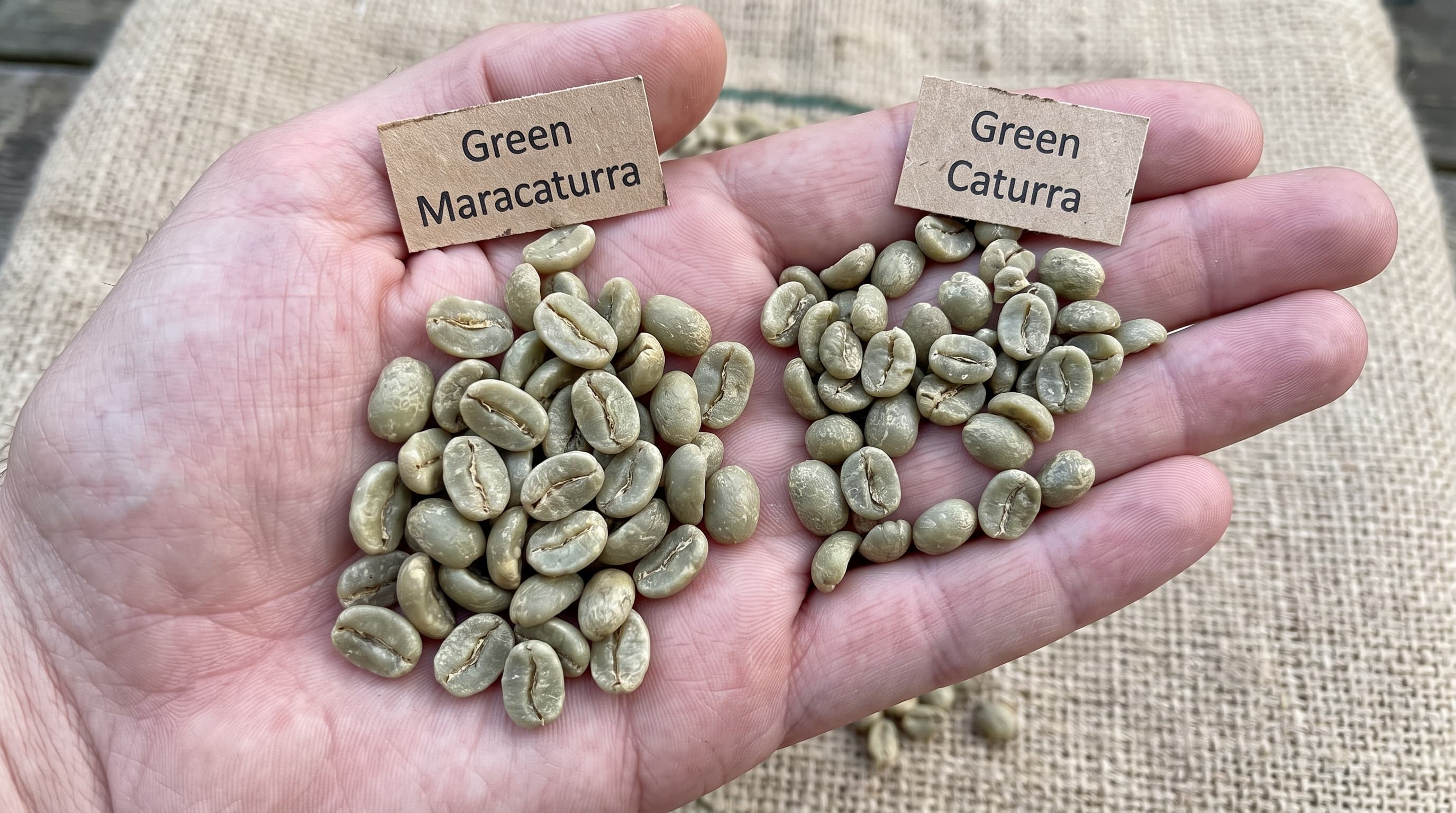
Green (unroasted) coffee beans are shipped in jute or grain-pro bags over weeks or months. Temperature fluctuations and humidity during ocean transport can trigger mold growth even in beans that tested clean at origin. Beans stored in warm, poorly ventilated warehouses are at especially high risk.
During Roasting and Post-Roast Storage
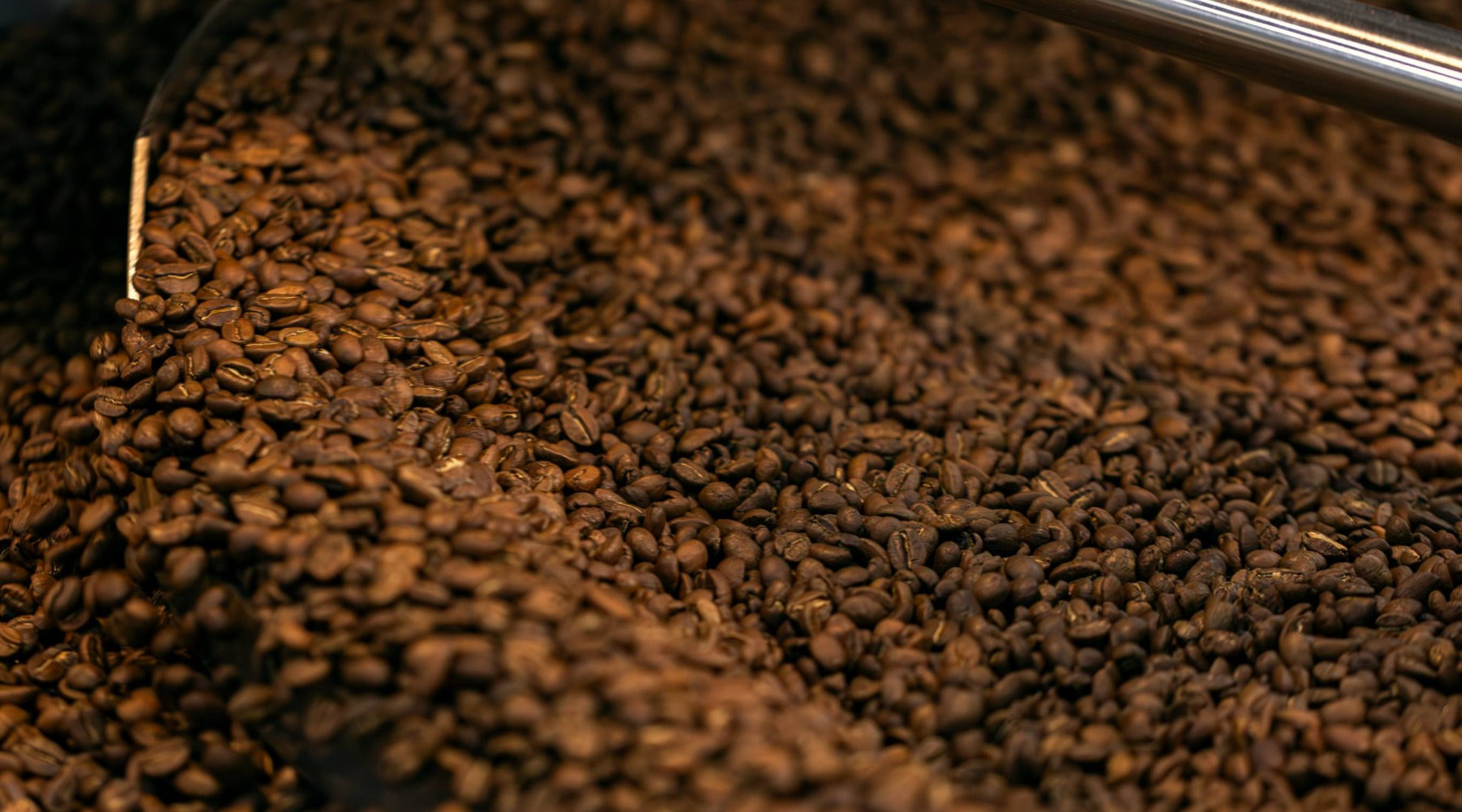
While roasting does reduce some mycotoxin levels (studies suggest OTA can be reduced by 40–80% depending on roast level), it does not eliminate them. Dark roasts reduce OTA more than light roasts, but they also degrade antioxidants and introduce other compounds like acrylamide. After roasting, improper storage in oxygen-rich, moist environments can re-introduce mold.
3. Symptoms: Could Mold in Coffee Be Making You Sick?
Mycotoxin sensitivity varies significantly between individuals based on genetics, gut health, detoxification capacity, and cumulative toxin load. Some people experience dramatic symptoms; others notice nothing at all. The most commonly reported symptoms associated with regular consumption of high-mycotoxin coffee include:
If you've ever switched coffee brands and noticed an immediate improvement in how you feel, mycotoxin contamination may have been a factor — even if you never connected the two.
Important note: Mold illness (Chronic Inflammatory Response Syndrome / CIRS) is a recognized condition in integrative medicine. If you suspect ongoing mycotoxin exposure, speak with a functional medicine physician who can order urine mycotoxin testing.
4. What Most Mold-Free Coffee Guides Get Wrong
A quick search for 'mold free coffee' turns up a predictable mix of results: a handful of brand comparisons, and some alarmist pieces with little nuance. Here's what most guides miss:
"Mold-Free" Is Not a Regulated Term
No regulatory body — not the FDA, USDA, or any state-level agency — certifies or defines 'mold-free' for coffee. Any brand can use the term without testing, certification, or accountability. This is why it's critical to look past the label and into sourcing practices, processing methods, and third-party testing.
Certification Doesn't Guarantee Clean Coffee
USDA Organic certification prohibits certain pesticides but says nothing about mycotoxin levels. A coffee can be certified organic and still be heavily contaminated. Conversely, some conventionally farmed coffees from producers who implement strict post-harvest protocols can be essentially mycotoxin-free. Certification is a start, not a finish line.
Roast Level Matters — But Not How You Think
Many consumers assume lighter roasts are healthier because they preserve more antioxidants. This is true — but lighter roasts also retain more OTA than darker roasts. The cleanest option isn't about roast level; it's about starting with clean green beans. A well-sourced, tested light roast from a clean origin will always outperform a dark roast of questionable-origin beans.
Cold Brew Is Not Inherently Safer
Some guides claim cold brew coffee contains fewer toxins because of lower brewing temperatures. There's limited peer-reviewed evidence for this. Cold brew made from high-mycotoxin beans will still contain those mycotoxins — the extraction process doesn't selectively filter toxic compounds.
5. What Actually Makes Coffee Mold-Free? A Sourcing Deep Dive
At Lavender Coffee Boutique, 'clean coffee' isn't a marketing tagline. It's the result of deliberate attention to the supply chain. Here's what genuinely reduces mycotoxin risk:
Single-Origin Sourcing
Blended coffees are often impossible to trace. When a single lot comes from a single farm or cooperative at a specific altitude and region, accountability is built in. Defects, contamination issues, and processing problems can be traced and corrected. Blends, by contrast, can mask problems from any number of origins.
High-Altitude Growing
Coffee grown above 1,500 meters tends to cherry more slowly and uniformly, resulting in denser, more acidic beans with less surface vulnerability to fungal colonization. The cooler temperatures at altitude also inhibit the mold species most associated with mycotoxin production.
Washed Processing With Controlled Fermentation
Studies consistently show that properly washed coffees have significantly lower OTA levels than naturally processed coffees. The fermentation step — when done in clean water at controlled temperatures — helps remove the mucilage layer that fungus feeds on before the beans enter the drying phase.
Mechanical (Raised Bed) Drying
African-style raised bed drying, where beans dry on elevated wire-mesh frames with airflow on all sides, dramatically reduces the risk of mold growth compared to drying on patios or tarps where beans contact the ground, accumulate moisture unevenly, and can be contaminated by soil-borne fungi.
Third-Party Lab Testing
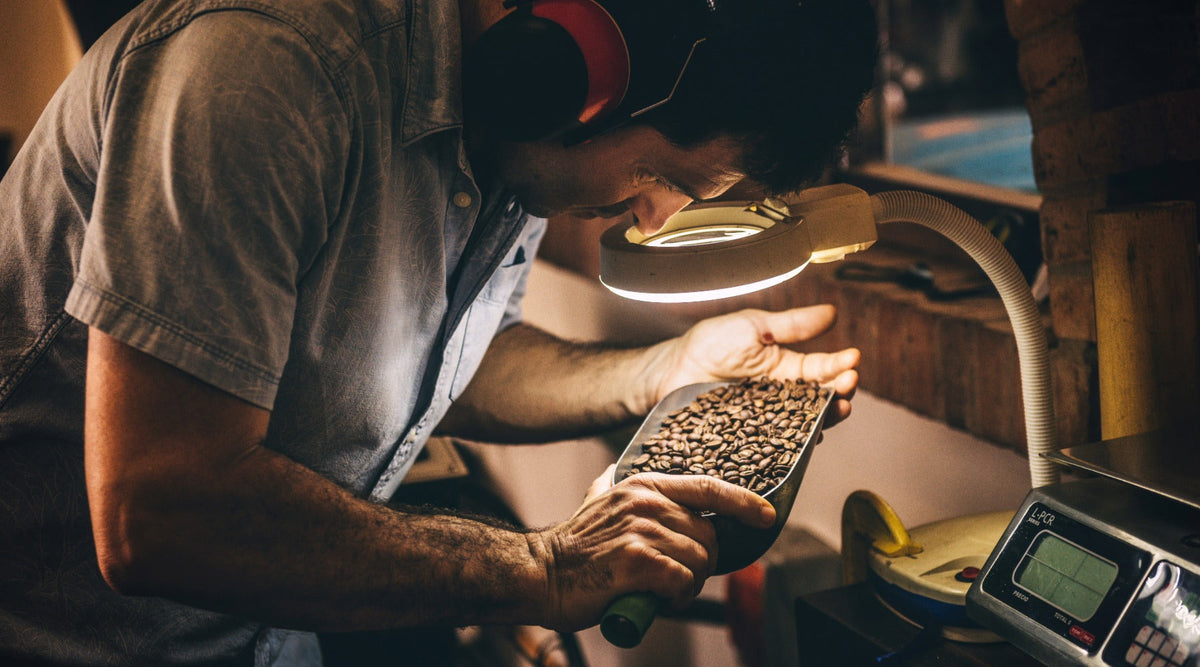
This is the gold standard. Reputable clean-coffee roasters test green coffee lots for OTA and aflatoxins using validated HPLC or ELISA methods before importing, and again after roasting. Testing certificates should be available on request. If a brand won't share test results, that tells you something.
Proper Storage and Packaging
Clean beans need to stay clean. Nitrogen-flush valve bags that purge oxygen from the packaging dramatically slow oxidation and inhibit mold growth post-roast. Storing beans in cool, dark, dry conditions — not in the freezer (which introduces moisture during thaw cycles) — extends both freshness and cleanliness.
6. How to Choose Mold-Free Coffee: A Practical Buyer's Guide

Whether you're shopping online, at a specialty roaster, or at a grocery store, these are the questions and criteria that matter:
Ask These Questions
Green Flags
Red Flags
7. Mold-Free Coffee in Denver: What to Look for Locally
Denver's specialty coffee scene is genuinely one of the best in the country. Altitude, culture, and a health-conscious population have produced a city full of thoughtful roasters. But even in Denver, "specialty" doesn't automatically mean "clean."
When visiting a Denver coffee shop or roaster, look for menu boards or staff who can tell you about the farm origin of what you're ordering. Single-origin pour-overs and espressos are inherently more traceable than house blends. Ask where the beans are from and whether they're washed or natural process — any knowledgeable barista should be able to answer.
At Lavender Coffee Boutique, we source exclusively from farms and cooperatives we've vetted for both quality and post-harvest handling. Many offerings on our menu are single-origin, washed or honey process, from verified high-altitude growing regions. We prioritize long-term direct relationships with producers who understand that clean coffee begins at the cherry.
8. Brewing Methods and Mold Risk: Does It Matter?
Once you've sourced clean beans, brewing method has minimal impact on mycotoxin load. That said, there are a few considerations:
Paper-filtered brewing (drip, pour-over, Chemex): Paper filters capture cafestol and kahweol — diterpenes associated with elevated LDL cholesterol — but do not meaningfully filter mycotoxins. However, paper filters do produce a cleaner, lighter cup and many people find they have better tolerance for filtered coffee. This may be psychological or may relate to other compounds.
French press and metal-filter brewing: Allows oils and some sediment through. Higher in beneficial diterpenes but also passes anything in the beans including mycotoxins unfiltered. For those with mold sensitivity, paper-filtered methods are preferable.
Espresso: High-pressure extraction concentrates both the good and potentially the bad from beans. Starting with clean, tested beans is especially important if espresso is your primary brewing method.
Moka pot: Similar to espresso in concentration. Same recommendation applies.
Bottom line: Brewing method is a minor variable. Bean quality and sourcing are the major variables. Spend your energy choosing clean beans rather than optimizing your brew method around contamination risk.
10. Beyond Mycotoxins: Other Reasons to Choose Clean, Specialty Coffee
Mold-free sourcing tends to correlate with quality practices across the board. When a roaster is meticulous enough to vet for mycotoxin risk, they're typically also:
This is why our sourcing at Lavender Coffee Boutique isn't just about health — it's about a complete philosophy of quality, sustainability, and respect for the people and ecosystems that make great coffee possible.
Frequently Asked Questions About Mold-Free Coffee
Is all organic coffee mold-free?
No. USDA Organic certification addresses pesticide use, not mycotoxin contamination. Organic beans can still be heavily contaminated if post-harvest practices are poor.
Does dark roasting eliminate mycotoxins?
Partially. Dark roasting can reduce OTA by 40-80% compared to green beans, but it does not eliminate it. The cleanest approach is starting with tested, low-contamination green beans regardless of roast level.
Is mold in coffee visible?
Rarely. By the time beans reach you, any surface mold has typically dried out or been removed by processing. The real risk is mycotoxins — invisible chemical compounds already produced by mold that cannot be seen or smelled.
Can I detox from mycotoxins in coffee?
If you've been consuming high-mycotoxin coffee and suspect it's affecting your health, the first step is switching to tested, clean-source coffee. Many practitioners recommend binders (activated charcoal, cholestyramine, or natural options like zeolite) to help eliminate mycotoxins, but consult a functional medicine physician before using these.
What is the safest coffee to drink?
Single-origin, high-altitude, washed-process beans from a roaster that conducts third-party mycotoxin testing, roasted fresh and stored in nitrogen-flushed packaging. That's the formula.
Does cold brew have less mold?
No meaningful evidence supports this. Cold brew made from contaminated beans will still contain mycotoxins. Bean quality is what matters, not brewing temperature.
Experience Mold-Free Coffee in Denver
At Lavender Coffee Boutique, we believe that the best cup of coffee is one you can feel good about in every sense — the taste, the sourcing, the health impact, and the values behind it.
We aim to offer coffees that are:
Visit us in Denver or explore our current offerings online at lavendercb.com. Have a question about our sourcing? We love talking coffee — reach out anytime.
Explore More from Lavender Coffee Boutique
• The Lavender Blog — Coffee Education & Guides
Sources & Further Reading
European Food Safety Authority (EFSA) — Opinion on Ochratoxin A in Food (2020)
International Agency for Research on Cancer — Ochratoxin A Classification
Tafuri, A. et al. — "Mycotoxin Contamination of Commercial Coffees" — Toxins Journal (2021)
Romani, S. et al. — "Effect of Roasting on OTA in Coffee" — Food Chemistry (2017)
World Health Organization — Aflatoxins Fact Sheet