
Why Our Award-Winning Rwanda Coffee Sold Out (And When It's Coming Back)
Key takeaways
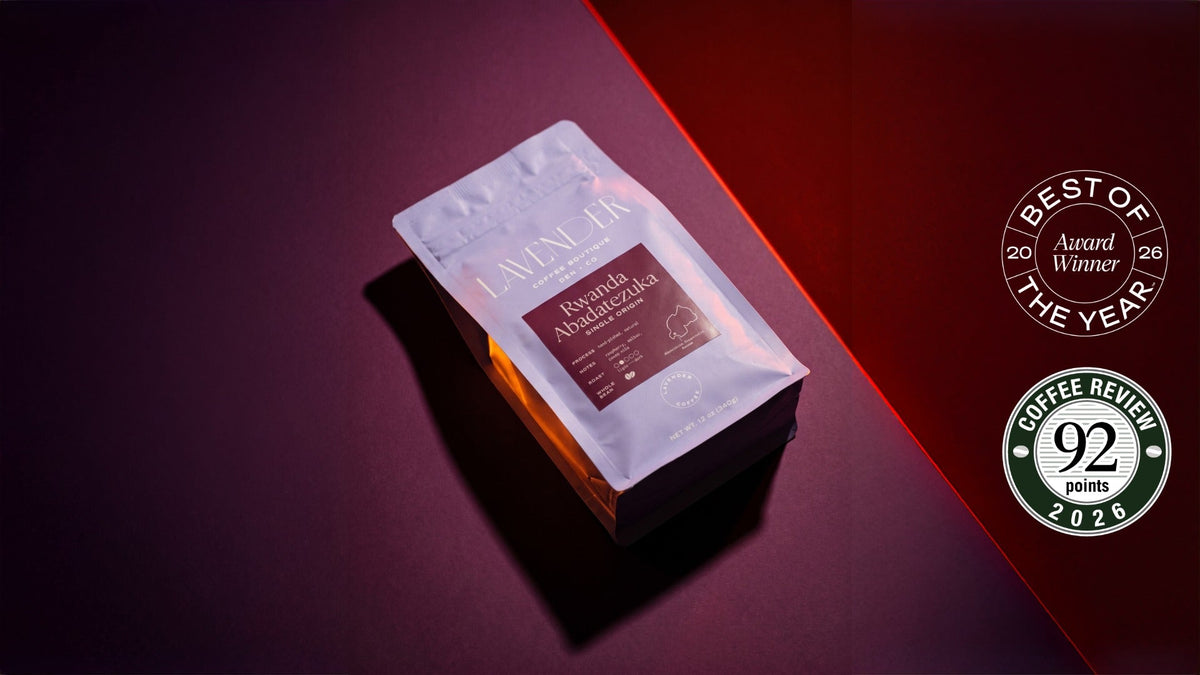
Our Rwanda Abadatezuka earned 92 points from Coffee Review and a 2026 Best of the Year Award, then sold out for the year. Coffee is a seasonal fruit crop, and we buy each coffee as a single lot from one harvest, so once it's gone, we can't order more. The next Rwanda lot is expected in Denver summer of 2027. Join the Rwanda waitlist to get first access!
In the same week our Rwanda Abadatezuka won a 2026 Best of the Year Award, we had to tell a lot of you it was gone. Many of you have asked when it's coming back. Not until next harvest.
That timeline comes down to how we buy coffee. To get first access to next year's lot, join the Rwanda waitlist.
What Makes Rwanda Abadatezuka Special

Rwanda Abadatezuka comes from the Abadatezuka Cooperative, a producer-owned group of smallholding women farmers in the Nyamasheke District of Rwanda's Western Province, near Nyungwe Forest. The coffee grows at 2,200 meters above sea level, where cool nights slow the cherries' ripening and give them time to build sugar and complexity.
Farmers hand-pick every cherry at peak ripeness and grow without synthetic inputs. Native honeybees pollinate the coffee blossoms, and the surrounding forest is one of Africa's most biodiverse ecosystems.
In the cup, we taste raspberry, Malbec and cacao nibs. It's jammy and wine-like, with a heavy body and a long chocolate finish.
What Is Natural Process Coffee?
Natural process coffee is dried whole, inside the coffee cherry, before the seed is removed. The cherries dry in the sun for several weeks, and the seed absorbs sugar and fruit character from the flesh around it. Washed coffees have the fruit removed before drying, so they tend to taste cleaner and brighter. Naturals tend to taste fruitier and sweeter, with a heavier body. That's where Abadatezuka's jammy berry character comes from.
Why Rwanda Coffee Stands Out
Rwanda is a small, mountainous country, and much of its coffee grows at high elevation, where cooler temperatures slow ripening and concentrate sweetness. Most of it is grown by smallholder farmers who deliver their cherries to cooperatives and washing stations, and much of it is Bourbon, a variety prized for sweetness and complexity. Rwandan coffee is known for bright, fruit-forward and floral cups. Abadatezuka's natural process pushes that fruit even further.
|
Two Awards, One Coffee

This year, Rwanda Abadatezuka earned recognition from two panels. Home brewers and experts tasted it in their own kitchens, and a professional panel cupped it blind.
2026 Best of the Year Award
Best of the Year Media sent a full bag to 16 evaluators, who ground and brewed it at home with their usual methods, from drip machines to French presses. An expert panel also reviewed it: a chef, two nutrition judges, two sustainability judges who examined our sourcing, and two packaging experts.
Testers noticed berries, florals and cacao the moment they opened the bag. One judge described it as "hot cocoa with a coffee buzz." Even the bag earned points. One packaging judge could smell the coffee but couldn't work out where the aroma was coming from, thanks to the one-way valve tucked on the back. Read the full Best of the Year review.
92 Points from Coffee Review
Coffee Review has rated coffees on a 100-point scale since 1997, and every sample is cupped blind, with no roaster name or price in view. In May 2026, its panel gave Rwanda Abadatezuka 92 points, with the highest category marks going to body and flavor. On Coffee Review's scale, scores from 90 to 94 fall in the very-good-to-outstanding range.
The review's bottom line praised the coffee's sweetness, texture and approachable complexity, and noted that it keeps the lively fruit you'd hope for from a carefully produced East African natural. Read the full Coffee Review.
What the Judges Tasted
Here's how each panel described it:
|
Who tasted it |
What they found |
|
Our roasting team |
Raspberry, Malbec, cacao nibs |
|
Coffee Review (blind) |
Blackberry, cocoa powder, dried rose, candied citrus and hazelnut, with dark chocolate and berry jam on the finish |
|
Best of the Year testers |
Fresh berries, florals and cacao, with fruit that shines through the roast |
All three picked up dark berry fruit and chocolate, the signature of a well-made natural-process coffee.
Is Coffee a Fruit? Why Great Coffee Is Seasonal

Yes. Every coffee bean is the seed of a coffee cherry, a small red fruit that grows on a flowering shrub. Like apples or peaches, coffee cherries ripen on a seasonal schedule, once or twice a year, depending on where they grow.
In Rwanda, the main harvest runs roughly March through June. On the steep hillsides near Nyungwe Forest, farmers pick by hand, often passing over the same trees several times so only ripe cherries make it into the basket.
After picking, the coffee is dried, rested and milled before it's ready to ship. Then it travels roughly 8,000 miles to our roastery in Denver. All told, the coffee in your cup has usually been on a journey of several months.
What Is a Coffee Lot, and Why Can't We Order More?
When we find a coffee we love, we buy a specific lot: a set amount from one place and one harvest.
We can't simply order more. The coffee from that harvest is spoken for, and the next crop is still growing on the trees. A great harvest is a limited thing, and this one went fast. (We may have underestimated you a little, too.)
Why We Buy This Way
Many large coffee brands sell the same coffee all year. To do that, they blend beans from wherever is cheapest and roast them in ways that hide the differences. That approach keeps the shelf stocked, but it rarely tells you who grew your coffee. For more on the difference, read Single Origin vs. Blend Coffee: Which Should You Buy?
We think coffee tastes best, and is fairest to the people who grow it, when we buy directly traceable lots, pay for quality, and roast each one to show off what makes it special. The tradeoff is that our best coffees come and go with the seasons. When the judges tasted Abadatezuka, they were tasting one cooperative's work from one harvest.
When Will Rwanda Coffee Be Back?
Next year's Rwanda harvest is on the trees. We expect it to reach Denver in summer of 2027, and we'll roast it low and slow in small batches, just like this year's.
Each harvest tastes a little different, and we'll share our tasting notes on the new lot once we've cupped it.
Loved Rwanda? Try These Next

If you loved the fruit: Gesha Monte de Oro. A rare natural-process single origin from Mario Alarcón's Monte de Oro farm in Acatenango, Guatemala. It opens with bright raspberry and lychee up front, a silky chocolate and black cherry middle, and a strawberry cream finish. Shop Gesha Monte de Oro
If you loved the story: Women's Coffee Project, Peru. Grown by 110 women-led farming families in Cajamarca, with a direct price premium paid to the women farmers. Expect red apple, sugar cane and a hint of citrus in a soft, balanced medium roast. Shop the Women's Coffee Project
If you want something cozy: Autumn Blend. Our seasonal blend of naturally and honey-processed coffees from Costa Rica and Rwanda, with notes of candied apple and praline and a velvety, buttery body. Shop Autumn Blend
To taste before you buy, visit our Denver-area cafés near Wash Park and in Cherry Hills Village.
Frequently Asked Questions
Is Rwanda Abadatezuka sold out?
Yes. This year's lot is sold out. We expect the next Rwanda lot in Denver in summer 2027, and waitlist members will hear about it first.
When is Rwanda coffee harvested?
Rwanda's main coffee harvest runs roughly March through June. After picking, drying, milling and shipping, new-crop Rwandan coffee usually reaches roasters several months later.
What does Rwanda coffee taste like?
Rwandan coffee is often bright, fruity and floral. Our natural-process Rwanda Abadatezuka leans jammy and rich, with raspberry, Malbec and cacao nibs. Coffee Review's blind panel found blackberry, cocoa powder and dried rose.
What is natural process coffee?
Natural process coffee is dried whole inside the coffee cherry before the seed is removed. It typically tastes fruitier and sweeter, with a heavier body than washed coffee.
What does a 92-point Coffee Review score mean?
Coffee Review rates coffees blind on a 100-point scale. Scores from 90 to 94 fall in its very-good-to-outstanding range, and only a small share of specialty coffees reach 90 or above.
Is coffee a fruit?
Yes. Coffee beans are the seeds of the coffee cherry, a small fruit that grows on a flowering shrub and ripens seasonally.
Where can I buy award-winning coffee in Denver?
Lavender Coffee Boutique roasts small-batch, award-winning coffee in Denver. Shop online at lavendercb.com, or visit our cafés near Wash Park and in Cherry Hills Village.
Thank you for loving this coffee so quickly, and thank you to the farmers of Abadatezuka for growing it. See you next harvest.