
Single Origin Coffee vs. Blends: How to Choose Your Perfect Cup
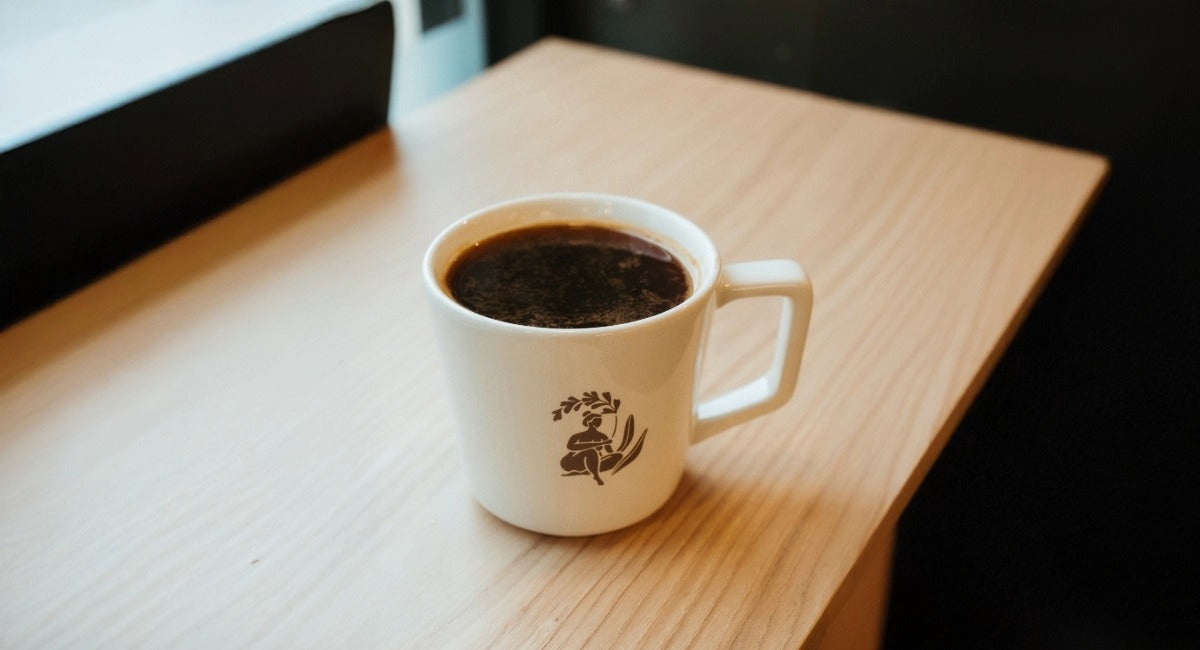
There's a question we hear at both of our Denver cafés almost every week, usually asked while someone stands at the counter scanning the menu or the bag display behind us.
“What’s the difference between your single origins and your blends? Which one should I get?”
It’s a genuinely good question — and one that most people in the coffee world either answer too technically (cue the 20-minute lecture on varietals and processing methods) or too vaguely (“it just depends on what you like”). Neither answer is particularly useful when you’re standing there holding a warm mug and just want to understand what’s in it.
So here's our honest take, as a small-batch Denver roaster who sources direct-trade single origins and crafts house blends designed for gentle acidity and clean, gut-friendly drinking. Single origin coffee comes from one farm, region, or producer in a single harvest season — it's a window into a specific place and moment in time. A blend combines beans from two or more origins, roasted together to create a cup that's balanced, consistent, and designed to taste great every day without variation. Neither is universally better. Single origins reward curiosity. Blends reward consistency. And at Lavender, we believe both deserve a place in your morning ritual.
Here's everything you need to know to choose with intention.
What is single origin coffee?
Single origin is exactly what it sounds like: coffee that comes from a single, traceable source. But “single source“ exists on a spectrum, and understanding that spectrum changes how you taste what's in your cup.
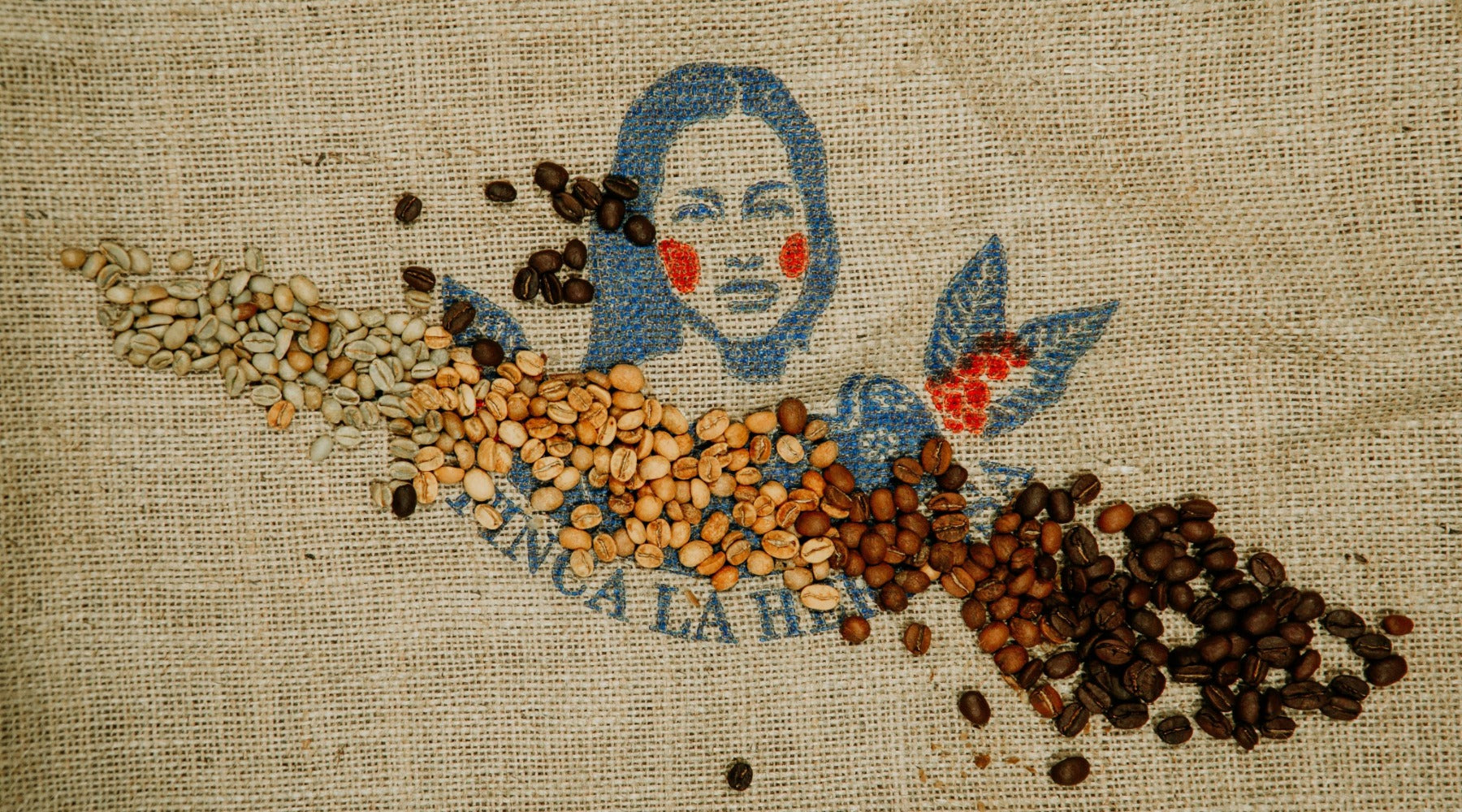
At the broadest end, single origin can simply mean a single country — Ethiopian coffee, Colombian coffee, Guatemalan coffee. One step narrower and you're looking at a specific region within that country, like Cajamarca in northern Peru or the Sierra de las Minas mountains in Guatemala. Narrower still, and you arrive at a single farm, cooperative, or estate — one growing operation, one farming family, one crop cycle. At the most specific end of the spectrum sits the micro-lot: a tiny, curated harvest from a single plot of land within a farm, sometimes no more than a few hundred pounds of green coffee worldwide.
Why does that traceability matter? Because when you know exactly where your coffee comes from, you can actually taste the place.
Altitude, soil composition, rainfall patterns, the shade trees overhead, the way the cherries were processed after harvest — all of these variables imprint themselves on the flavor of the bean. A coffee grown at 1,800 meters in the volcanic highlands of Guatemala will taste different from one grown at 1,200 meters on a coastal hillside in Costa Rica, even if both are the same varietal, roasted the same way. That difference is terroir, and it's what makes single origin coffee so endlessly interesting.
Single origins also rotate. This is intentional. Coffee is an agricultural product, and the best lots from any given farm are only available during a specific harvest window — typically once per year. When a single origin sells through, it's gone until the next crop. At Lavender, that means the rotating single origins you see on our shelf and our menu are genuinely seasonal. When we offer the Guatemala La Bella, you're tasting the 2025 harvest from a fourth-generation family farm in the Sierra de las Minas. When it's gone, it's gone — and what arrives next will be its own distinct experience.
What does single origin coffee taste like?

This is where single origins earn their reputation for complexity. Because they aren't built around a target flavor profile the way blends are, single origins tend to be more expressive — sometimes dramatically so. You might encounter:
• Bright, fruit-forward notes: raspberry, lychee, stone fruit, citrus
• Floral aromas: jasmine, lavender, rose
• Earthy depth: dark chocolate, tobacco, cedar
• Sweetness that surprises you: caramel, brown sugar, praline
Our current Guatemala La Bella, for example, is hand-harvested Caturra from a farm that's been in operation since 1960, slow-roasted for balance. The cup opens with smooth caramel and toasted almond, then settles into a long praline finish. It's a coffee that asks you to slow down and notice.
Our Guatemala Gesha — grown on what the farming community there calls the “Mountain of Gold” — is entirely different. It opens with raspberry and lychee, then moves into dark chocolate and black cherry before finishing with something almost like strawberry cream. Elegant, layered, expressive. It's one of those cups that reminds you coffee is a fruit.
Single origins are particularly well-suited to brew methods that allow those flavors to express themselves fully — pour over, Aeropress, and filter brewing generally show off a single origin's best qualities. Espresso can work beautifully too, especially with a well-developed, balanced single origin, but the pressure and concentration of espresso can also amplify any sharp edges in a more delicate bean.
What is a coffee blend?
 A blend is a deliberate composition of two or more coffees, combined before or after roasting to create a cup greater than the sum of its parts.
That framing — greater than the sum of its parts — is important, because blends have an undeserved reputation as a lesser choice. The assumption is that blending hides inferior beans or covers up defects. And at the commodity end of the market, sometimes that's true. But at the specialty level, a great blend is an act of craft. It's a roaster choosing specific origins for what each contributes — one for body, one for brightness, one for sweetness — and working out how to bring them into a harmonious whole.
There's also an important practical dimension to blends: consistency. A single origin is a snapshot of one harvest. If conditions change — a drought, an unusual rainy season, a shift in processing at the farm — the flavor of next year's lot may be noticeably different. A skilled roaster creating a signature blend can make adjustments between harvest years to maintain a consistent flavor profile, swapping in a different origin that fills the same role when last year's source isn't available. For someone who wants their morning cup to taste the same every day, that consistency is genuinely valuable.
Pre-roast blending — combining green beans before they go into the drum — allows the beans to develop together, which can create a more integrated flavor profile. Post-roast blending — roasting each origin separately to its ideal profile, then combining — gives the roaster more control over each component but requires more precision. At Lavender, our approach to blending is guided by the same philosophy as everything else we do: roast for balance, never bitter nor sour.
How Lavender approaches blending differently
When we developed our house blends, we weren't just trying to build a crowd-pleasing cup. We were trying to build a cup that actively supports the person drinking it — one that delivers rich, satisfying flavor without the acidity, the jitters, or the digestive distress that sends so many people searching for answers.
Our Pearl Street Blend is our medium roast and our most versatile offering — the kind of coffee that works beautifully as espresso or drip, that pairs as naturally with a quiet Tuesday morning as it does with a slow Sunday pour over. It's built for everyday drinking, with the smooth, gentle acidity profile that comes from intentional sourcing and our low-and-slow roasting method.
Our Golden Hour Half Caff was designed specifically for coffee lovers who are sensitive to caffeine but unwilling to compromise on flavor. Half the caffeine, none of the compromise. It uses our sugar cane process decaf alongside carefully selected origins to create a cup that's warm, rounded, and deeply satisfying — especially in the afternoons when the day starts to ask something of you.
Both blends carry something our single origins don't: third-party mold and mycotoxin testing through Anresco Labs. More on why that distinction matters below.
Single origin vs. blend coffee: key differences
|
|
Single Origin |
Blend |
|
Flavor profile |
Expressive, terroir-driven, seasonal character |
Balanced, consistent, intentionally layered |
|
Consistency |
Varies year to year — part of the appeal |
Designed to taste the same every season |
|
Seasonal availability |
Rotates with harvest cycles |
Available year-round |
|
Traceability |
Farm or cooperative level |
Origin level |
|
Price point |
Typically higher — limited, premium lots |
More accessible for everyday drinking |
|
Best brew method |
Pour over, Aeropress, filter |
Espresso, drip, cold brew, any method |
|
Best for... |
Exploring, tasting, slowing down |
Daily ritual, consistency, gifting |
|
Mold-free tested (Lavender) |
Sourcing quality is the safeguard |
Yes — all blends third-party certified |
Which is better for espresso?
Blends were historically the default for espresso, and there are good reasons for that. The pressure and concentration of espresso amplifies everything in a coffee — the sweetness, the body, the acidity, the bitterness — so blends designed for balance tend to produce a more forgiving, approachable shot. Our Pearl Street Blend was built with espresso in mind: it pulls a rich, smooth shot with a natural sweetness that doesn't need sugar to round it out.
That said, single origins as espresso have become increasingly popular in specialty coffee, and we love them for it. Our Guatemala La Bella makes a stunning shot — the caramel and almond notes develop beautifully under pressure. If you're making espresso at home and want to experiment, start with a single origin that's described as balanced or chocolatey rather than bright or citrusy; the latter can turn sharp under espresso pressure.
Which is better for pour over or drip?
This is where single origins tend to shine brightest. The slower, more controlled extraction of pour over brewing allows the delicate floral and fruit notes in a single origin to come through without being overwhelmed. If you haven't tried our Guatemala Gesha as a pour over, put it on your list — the raspberry and lychee notes that make it so distinctive are almost amplified by the method.
For drip brewing, both single origins and blends work well, though blends tend to be more forgiving of slight variations in water temperature or grind size. If you're brewing a full pot to share, our Pearl Street Blend is probably the easier choice. If you're making one careful cup and you want it to be an experience, reach for a single origin.
Which is better for cold brew?
Cold brew's long, slow, room-temperature extraction pulls a lot of body and sweetness from a coffee, and blends tend to be excellent for this. Our Platt Park Dark Roast — a blend with notes of dark chocolate and roasted almond — makes an exceptional cold brew concentrate that holds up beautifully over ice with a splash of oat milk. For cold brew, you generally want a coffee with some structural heft, and blends designed for that richness tend to deliver.
Single origins work too, especially if you're looking for something more interesting and less expected — our Peru Lima Co-Op makes a cold brew with a lovely apple-like brightness that surprises people every time.
How we source and roast both at Lavender Coffee Boutique
The most common question we get when people discover that we only mold test our blends — not our single origins — is: why? It seems backwards at first. Shouldn't you test everything?
Here's the honest answer: we do verify the cleanliness of everything we source. But single origin and blended coffees represent two different risk profiles, and our quality assurance reflects that.
Why single origins don't require the same testing protocol
Our single origins come from farms we've built direct relationships with — small-farm holders growing at altitude, typically above 1,200 meters, near the equator. Altitude is one of the most effective natural defenses against mold in coffee. At higher elevations, temperatures are cooler, humidity is lower, and the slower development of the cherry produces a denser bean that naturally resists fungal growth. The farmers we partner with harvest carefully, process under close supervision, and take pride in the integrity of their crop.
When a coffee lot arrives at our Denver roastery, it's already come from conditions that make mold contamination far less likely than in commodity coffee. Our sourcing process, the transparency of direct trade relationships, and the farm-level quality of the green coffee serve as the quality safeguard.
Why we test our blends
Blends draw from multiple origins and sometimes multiple supply chain nodes. Even when every component is high quality, the practical reality of blending — combining beans that may have different moisture levels, different storage histories, different processing methods — creates more variables than a single traceable lot. Because our blends are also our most consistent, highest-volume offerings — the coffees our customers drink every single day — we hold them to the highest possible standard.
So we take our Pearl Street Blend, our Golden Hour Half Caff, our Platt Park Dark Roast, and our Bluebird Breakfast Blend to Anresco Labs, one of the most respected third-party food and beverage safety testing facilities in the country. Every lot we receive. Every time. The certification isn't a one-time badge. It's an ongoing commitment.
The result is that when you open a bag of Lavender blend coffee, you're not just taking our word for it. You have the independent verification.
The low-and-slow roast and what it does for both
Whether we're roasting a small-batch single origin or building a blend, the method doesn't change. We roast at lower temperatures over longer periods — what we call our low-and-slow approach. This does several things simultaneously.
It reduces acidity. Higher roasting temperatures accelerate the chemical reactions that produce organic acids in coffee. A gentler, slower roast slows those reactions, producing a cup that is measurably lower in acidity and noticeably kinder to sensitive stomachs. This is especially meaningful for our blends, which are designed for daily drinking — if you're having two cups a day, that gentler acidity adds up in a real way across a week.
It preserves origin character. For single origins especially, the delicate floral and fruit notes that make a La Bella or a Gesha worth seeking out are volatile — they can be lost in the first few minutes of aggressive heat. Our low-and-slow method is part of how we protect what makes each lot worth carrying.
It produces a cleaner cup. The scorching and over-extraction that can happen at high heat introduces bitterness and a harshness that masks flavor rather than revealing it. Our roasters describe their goal this way: roast for balance, never bitter nor sour. Every decision in the roastery is made in service of that. You can learn more about low-acid coffee roasting in our guide.
Try single origin and blend coffee at our Denver cafés — or ship it to your door
One of the things we love most about having two Denver café locations is that it gives people a low-stakes way to explore the difference between single origins and blends before committing to a bag.
Come into our Pearl Street café at 1219 S. Pearl Street in Denver's Platt Park neighborhood, or our Cherry Hills Village location at 1400 E. Hampden Ave, and ask your barista what single origin is currently on pour over. Order a cup alongside your usual espresso drink. Let yourself taste the difference in a way that words can only partially capture.
Our rotating single origins change with the harvest seasons, so what's available today may be different from what's here in three months. That's part of the experience — following what's in season, discovering something new, building the kind of relationship with coffee that goes beyond a daily habit and becomes something more like a practice.
If you'd rather start at home, all of our coffees ship fresh-roasted directly to your door, with free shipping on orders over $45.
Ready to explore? Here's where to start:
• Shop the Pearl Street Blend → | Medium roast, gentle acidity, mold-free certified.
• Shop the Golden Hour Half Caff → | Half the caffeine, all the intention.
• See our current single origin offerings → | Seasonally rotating, direct trade sourced.
Or stop by. We'll make you a cup and let it speak for itself.
Frequently asked questions about single origin and blend coffee
Is single origin coffee higher quality than blends?
Not necessarily — and this is one of the most persistent misconceptions in specialty coffee. Single origin coffee offers traceability and terroir, which is a form of quality. A great blend crafted from high-quality components, roasted with precision and intention, is equally an expression of quality — just a different kind. At Lavender, we hold both to the same sourcing and roasting standards. The question isn't which is better. It's which is right for what you're looking for in a cup.
What does single origin coffee taste like compared to a blend?
Single origins tend to be more expressive and variable — they reflect the specific farm, altitude, and harvest conditions they came from, which can mean pronounced fruit notes, florals, or earthy complexity. Blends are designed to be balanced and consistent: they combine origins specifically to create a harmonious whole where no one note dominates. Think of single origins as a solo performance and blends as a carefully arranged ensemble.
Why does Lavender mold-test blends but not single origins?
Our single origins come from small-farm direct trade partners growing at altitude — conditions that naturally inhibit mold formation — and arrive at our roastery from highly traceable, carefully supervised supply chains. Our blends draw from multiple origins and components, creating more variables. Because our blends are what customers drink every single day, we hold them to third-party verification through Anresco Labs. The quality safeguard for each type of coffee is appropriate to how it's sourced and produced.
Is low acid coffee available in single origin?
Yes. Coffee's acidity is influenced by origin, altitude, processing method, and roasting. Our low-and-slow roasting method reduces acidity across all of our coffees — single origins and blends alike. If you're particularly sensitive to acid, our blends like the Platt Park Blend are specifically designed and tested for gentle acidity. But many of our single origins, especially those from lower-altitude regions or with longer fermentation processes, also land on the gentler end of the acid spectrum. Your barista can help you find the right fit.
What is direct trade coffee and why does it matter?
Direct trade means the roaster has built a relationship directly with the farm or cooperative — bypassing the layers of brokers and intermediaries that characterize commodity coffee supply chains. This benefits everyone involved: farmers receive more of the sale price and have more transparency into how their coffee is valued; roasters get more information about how the coffee was grown, processed, and handled; and customers get coffee with a genuinely traceable story behind it. All of Lavender's single origin coffees are sourced through direct trade relationships. Learn more about our ethical coffee sourcing process here.
Which coffee is better for people with sensitive stomachs?
Our blends — particularly the Platt Park and Golden Hour Half Caff — are where we'd point someone whose stomach is sensitive to coffee. They're third-party mold and mycotoxin tested, and they're built using our low-and-slow roasting method specifically designed to minimize acidity. Many of our customers who switched to Lavender after years of coffee-related digestive discomfort find that the combination of low acidity, clean sourcing, and no hidden contaminants makes a real difference.
Can I buy single origin coffee online from a Denver roaster?
Yes — all of Lavender's single origin and blend coffees are available to ship directly to your door from our Denver roastery, with free shipping on orders over $45. Our single origins rotate with the harvest seasons, so what's available today reflects what's freshest right now. You can browse the current selection at lavendercb.com/collections/lavender-coffee. If you're in the Denver area, both our Pearl Street (1219 S. Pearl St, Denver, CO 80210) and Cherry Hills Village (1400 E. Hampden Ave, Cherry Hills Village, CO 80113) cafés carry the full range daily, 7am–4pm.
A note on why this choice matters to us
We started Lavender Coffee Boutique because we believed there was a better cup of coffee to be had — one that didn't ask you to trade flavor for comfort, or convenience for integrity. That belief shows up in our roasting method, in the farms we work with, in the lab that tests our blends, and in the way we talk about everything we make.
Whether you reach for a rotating single origin because you want to taste Guatemala's Sierra de las Minas in your morning cup, or you keep a bag of Pearl Street Blend in your pantry because you want to know exactly how your coffee is going to taste on a Wednesday at 6:45am — we think that's your first good decision of the day. And we want to be worthy of it.